
For parents choosing a school
Why collaboration with classmates is important for developing communication skills
If you are picking a school in the UAE, do not just ask about grades and facilities. Ask how often children work together, and how the teacher sets up those moments. That single detail shapes whether your child learns to speak up, listen well and defend an idea in front of others.
The core idea
Small groups turn shy kids into confident speakers
In a class of twenty-five, most children stay quiet. Put those same children in a group of four, and something changes fast. Even the shyest child starts to offer an idea, because the audience feels safe and the stakes feel low. When the group accepts that idea, the child gets a small win, and small wins add up to real confidence.
Think of a simple quiz game where the teacher splits the class into teams. Every child gets a turn to answer. When teammates nod, agree and defend the answer together, the shy child learns that speaking out is not scary. That habit travels: a child who is comfortable in a group of four is far more willing to raise a hand in front of thirty.
A parent’s checklist: signs a school actually builds communication skills
Use this checklist on tours, at open days, and when reading a curriculum brochure. If a school ticks most of these boxes, your child will get real practice in speaking, listening and working with others, not just worksheets.
- Regular small-group work. Ask how many lessons per week involve groups of three to five. Anything less than a few times a week is a red flag.
- Mixed grouping, not fixed cliques. Teachers should rotate group members so children learn to communicate with different personalities, not just their best friend.
- Speaking tasks are graded, not just written work. Presentations, debates and peer teaching should count toward assessment.
- Structured turn-taking. Good teachers use rules like “every child answers once before anyone answers twice” so quieter students are not drowned out.
- Team-based games and quizzes. These lower the pressure and give shy children a natural way to contribute.
- Project work across subjects. Long projects force children to plan, disagree, compromise and present, which is where communication really develops.
- Reflection after group tasks. Teachers who ask “what worked, what did not” help children think about how they communicate, not just what they produced.
- Class sizes that allow it. If classes are packed past 28, real group work becomes very hard. Ask for the average.
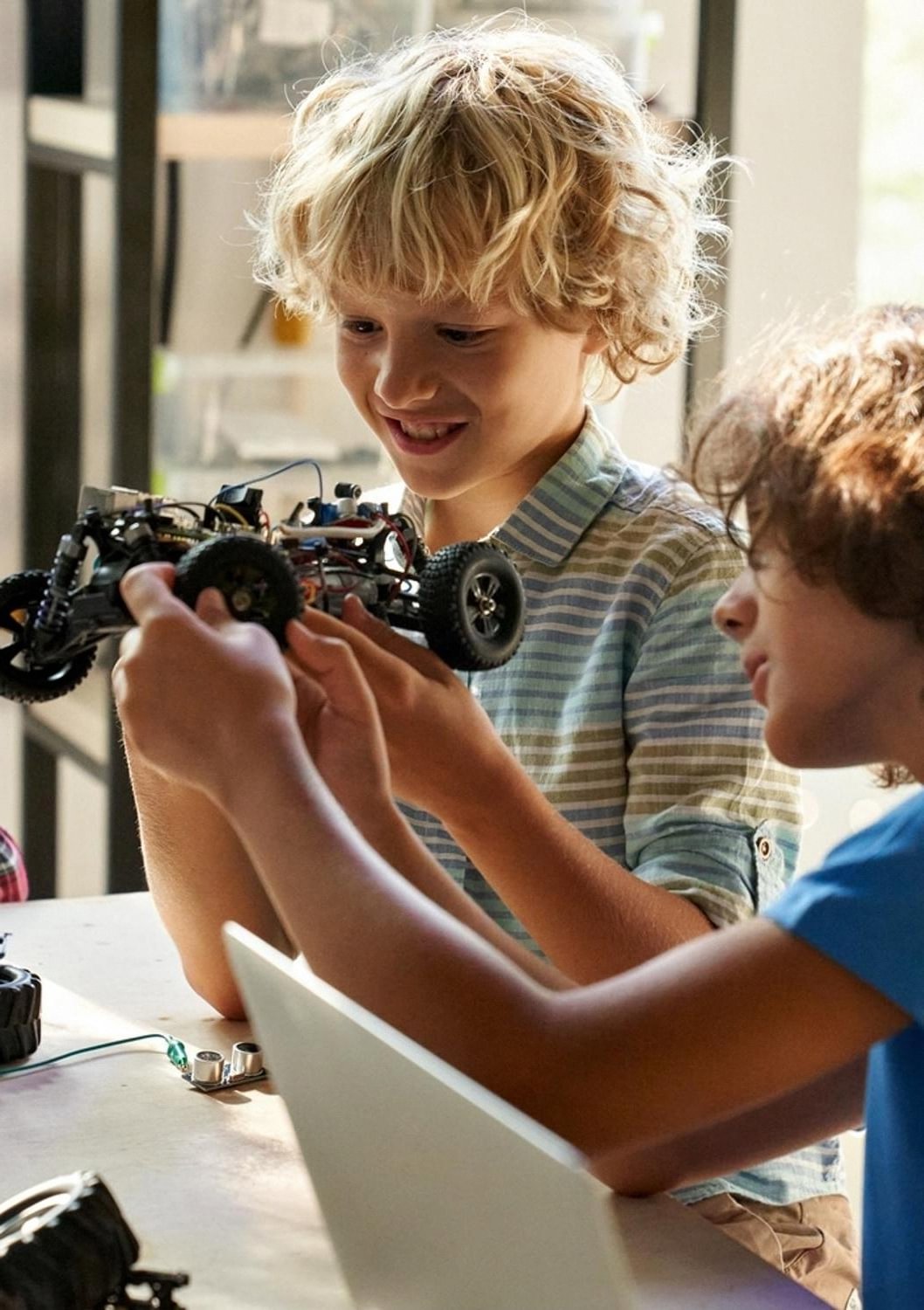
Checklist item #4
Structured turn-taking is the trickiest to spot
Many schools say they “encourage participation”. In practice, three or four confident children answer every question and the rest coast. The fix is boring but powerful: the teacher sets a rule that everyone in the group must contribute once before the group’s answer counts. That single mechanic pulls quieter students into the conversation.
Ask the teacher during your school visit: “How do you make sure the quiet children in a group are speaking?” A vague answer means it is not really happening. A specific answer, with a named routine or protocol, means it probably is. Research summarised by cooperative learning methods shows this kind of structured interdependence is what makes group work effective, rather than just seating children in clusters.
Checklist item #6
Project work is where communication is really tested
A one-off group task is a warm-up. A multi-week project is the real test. Over several days, children have to divide tasks, argue about the plan, correct each other’s work and finally present it to the class. That messy process is exactly where communication skills grow, because there is no way to hide.
If you are comparing schools in ajman or elsewhere in the UAE, look at the range of project work on display in corridors and classrooms. Photos of children presenting, posters made by teams, and video clips of student talks are all good signals. So is a curriculum that names skills like collaboration and oral communication as explicit learning outcomes, the way the UAE Ministry of Education framework does.
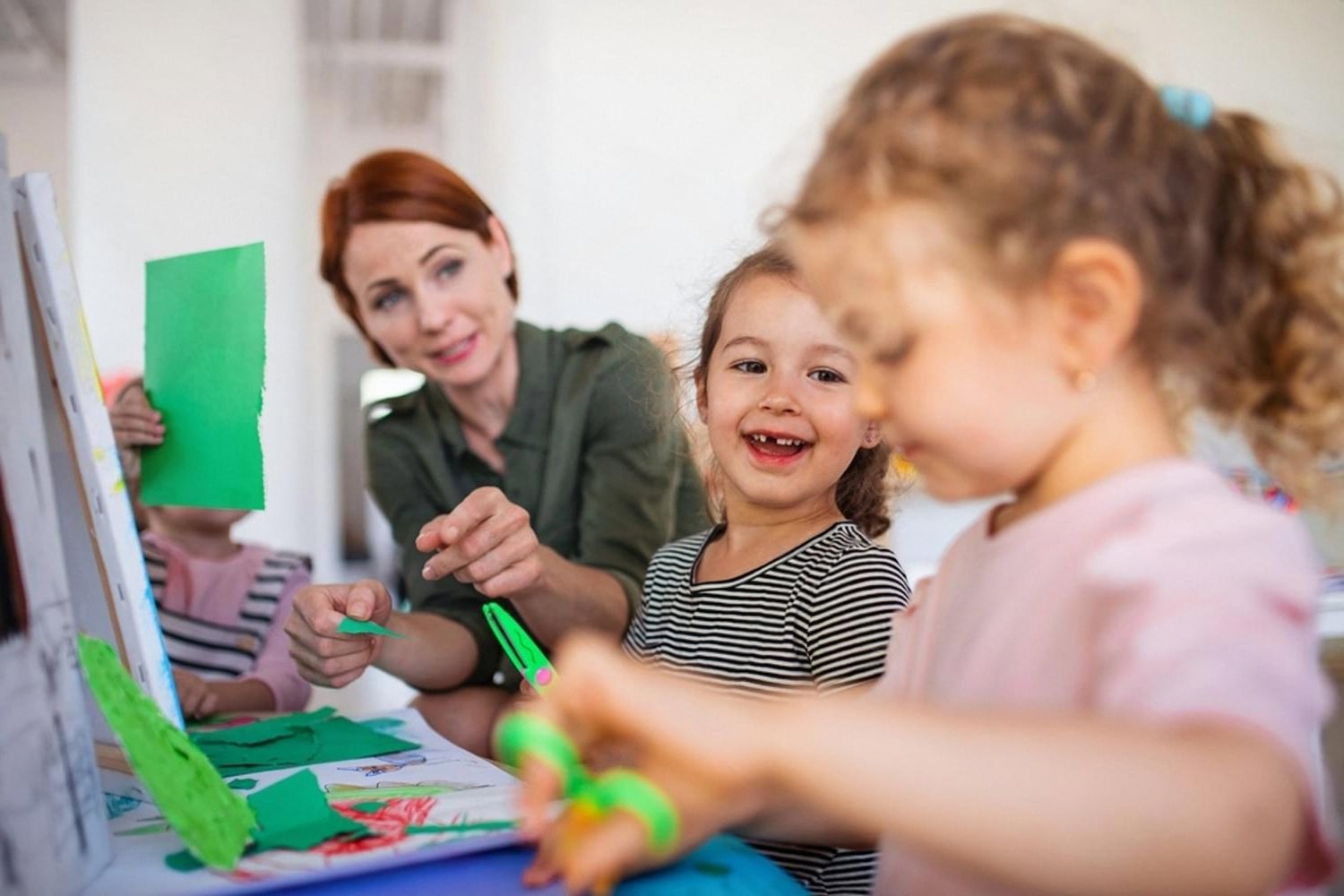
Reference table: what different types of group activities build
Not every group activity develops the same skills. When you talk to a teacher, this rough map helps you understand what your child is actually getting from each format.
| Activity type | Group size | Main skills built | Best for |
|---|---|---|---|
| Team quiz / game | 3 to 5 | Turn-taking, quick thinking, mutual support | Shy children, early confidence |
| Pair discussion | 2 | Listening, explaining, questioning | Deep understanding of a topic |
| Group project | 3 to 4 | Planning, negotiation, presenting | Older students, real-world skills |
| Debate | Whole class in teams | Argument, evidence, respectful disagreement | Middle and high school |
| Peer teaching | Pairs or small groups | Clarity, patience, empathy | Reinforcing what has been learned |
| Role play | 3 to 6 | Tone, body language, perspective-taking | Younger children, language classes |
One more thing
What you can do at home
- Ask open questions at dinner. “What did you disagree about today?” beats “How was school?”
- Play team-based board games. They force turn-taking and negotiation without feeling like practice.
- Invite one or two classmates over. A small group at home is often where a shy child first opens up.
- Praise the process, not just the answer. “You explained that clearly” builds a communicator; “you are so smart” does not.
Frequently asked questions
At what age does group work start to help communication skills?
Even at three or four years old, children benefit from short, playful group tasks like sorting, building or simple role play. The complexity grows with age, but the core benefit, learning that other people’s ideas matter and that yours are welcome, starts very early.
My child is very shy. Won’t group work make it worse?
The opposite, provided the group is small and the teacher structures turn-taking. Shy children usually freeze in front of the whole class but relax in a group of three or four, especially when they know they will get a real turn. Over time, that small-group confidence transfers to bigger settings.
How can I tell if a UAE school genuinely uses collaborative learning?
Ask specific questions on a tour. How often are children in small groups each week? How does the teacher decide who is in which group? How are quiet students drawn in? Vague answers mean it is more marketing than practice. Look at classroom walls too: student-made group posters and project photos are hard to fake.
Does collaboration hurt academic results?
No, when it is done well. Children who explain a concept to a classmate usually understand it more deeply themselves. The risk is only when “group work” means one child does the task and others watch. Structured roles and individual accountability fix that.
What if my child ends up in a group with a strong personality who takes over?
This is common and it is actually part of the learning. The role of the teacher is to give the group rules that force balanced input, and to coach children on how to say “I have not spoken yet, can I add something?” If you notice this happening often, mention it to the class teacher; a small change in grouping usually solves it.
How does group work fit with the UAE curriculum?
Most curricula used in the UAE, whether British, American, IB or the MoE framework, list collaboration and communication as core skills. Good schools translate that from paperwork into daily routines: group discussions, presentations, peer feedback and cross-subject projects.

Hockey fan, hustler, record lover, Mad Men fan and Guest speaker. Making at the nexus of beauty and elegance to craft experiences both online and in real life. Concept is the foundation of everything else.