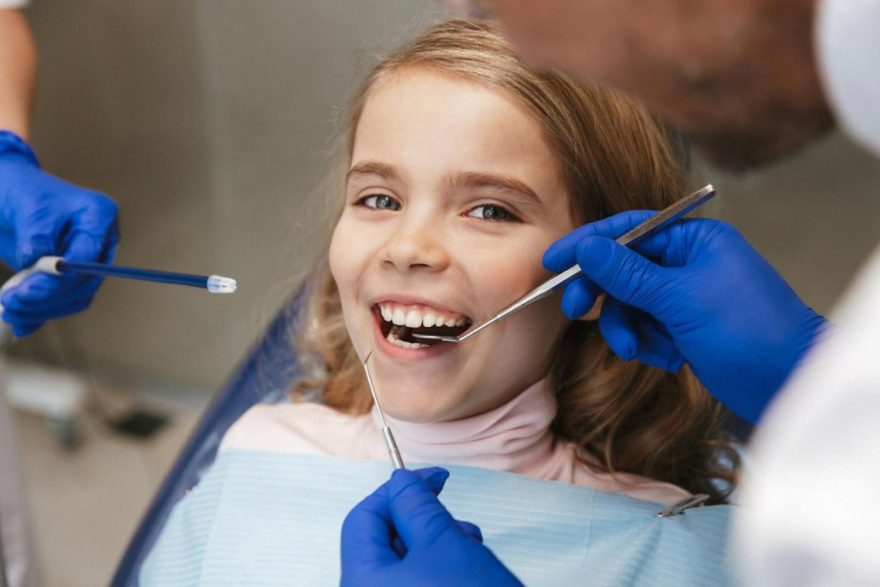
Kids and Orthodontics
Age 7 is the sweet spot for your child’s first orthodontic visit
The advice used to be simple: wait until all the baby teeth fall out, then think about braces. That is no longer the case. Across UAE clinics, orthodontists now recommend a first check-up around age 7, and the reason is practical. At this age, a child has a mix of baby and adult teeth, and small problems are still easy to guide. Waiting until the teen years often means longer, more complicated treatment.
Why 7, and not 5 or 12?
By the time a child turns seven, the first adult molars have usually come in and the front adult teeth are starting to appear. This mix tells an orthodontist a lot. They can see how the top and bottom teeth line up, whether the jaw is growing evenly, and if there is enough room for the teeth still on the way. The American Association of Orthodontists has recommended this age for a first screening for years, and the guidance is now standard in most UAE clinics too. You can read more about the general recommendation on the orthodontics overview at Wikipedia.
Before age 7, the picture is too incomplete. After 12, some bite and jaw problems have already set in the wrong direction, and fixing them takes more effort. Seven is the age where small changes can steer big outcomes.
Early bite problems are being spotted sooner
A clear trend in UAE paediatric dental care is earlier detection. Parents used to wait for a school dentist to flag something. Today, more clinics offering childrens dental services encourage a proactive check by age 7, even when everything looks fine to the eye.
- Crowding shows up when adult teeth do not have enough space and start to twist or overlap.
- Crossbite happens when upper teeth sit inside the lower teeth, which can push the jaw off-centre as the child grows.
- Overbite or underbite becomes easier to guide while the jaw bones are still soft and shaping.
- Thumb-sucking effects on the front teeth can be gently corrected before they become permanent.

Trend 2
Interceptive treatment is replacing long braces later
Another shift: fewer children are getting full metal braces at 13 because more are getting short, targeted treatment at 8 or 9. This is called interceptive or phase one treatment. A small expander, a space maintainer, or a partial appliance for a few months can prevent two years of braces later.
Not every child needs it. Most seven-year-olds walk out of their first visit with nothing more than a follow-up appointment in a year. But when a problem is caught, doing a little now is almost always cheaper and easier than doing a lot later.
Habits and screen time are changing what orthodontists see
Modern UAE lifestyles come with soft foods, mouth breathing from long air-conditioned days, and prolonged pacifier or thumb use in some families. These habits shape the jaw more than parents realise. Orthodontists are now trained to look for signs that the airway or breathing pattern is affecting how the face is developing, not just the teeth themselves.
This is why the first visit is more of a conversation than a procedure. The orthodontist will ask about sleep, snoring, chewing, and any oral habits. Small changes at home, encouraged early, can matter as much as any appliance.
Digital scans are replacing goopy impressions
If your own memory of a dental visit involves biting into cold putty, your child’s experience will be different. Most modern clinics in Dubai and Abu Dhabi now use handheld digital scanners that build a 3D model of the mouth in a few minutes. It is faster, cleaner, and far less stressful for a nervous seven-year-old.
Digital records also make it easier to compare growth year over year. The orthodontist can show you, on screen, exactly how your child’s bite is changing. That transparency helps parents understand why a wait-and-watch approach is often the right call.
“The goal at age seven is not to start treatment. It is to know if treatment will be needed, and to plan it at the right moment. Most kids we see just need a yearly check.”
What actually happens at the first visit
- A friendly chat. The orthodontist meets your child, asks about habits, and looks at the teeth without any tools first.
- A gentle exam. They count the teeth, check the bite, and see how the jaw opens and closes.
- Photos or a quick scan. A few pictures of the face and teeth, sometimes a digital scan. No pain, no needles.
- A plain-language explanation. You get to hear what is fine, what to watch, and when to come back.
Most first visits end with a simple recommendation: come back in 12 months. That is a good outcome. It means your child is on track and you have an expert eye on the process.
Looking ahead: what UAE parents can expect
The direction of children’s orthodontics is toward earlier awareness, shorter treatments, and less visible appliances. Clear aligners designed for growing children are already available in the UAE, and remote monitoring through phone photos is starting to reduce the number of clinic visits needed. None of this replaces the first check at age 7, but it does make the whole journey lighter for the child.
The best thing you can do as a parent is book that first visit and treat it as a health check, not a warning sign. According to WHO oral health guidanceprevention at a young age carries the biggest lifetime benefit for dental health. Age 7 fits that idea exactly.
Frequently asked questions
My child’s teeth look fine. Do we still need a check-up at 7?
Yes. Many bite and jaw problems are not visible from the outside, even to parents. The point of the age 7 visit is to look at things you cannot see, like how the adult teeth are lining up under the gums and how the jaws are growing. Most children get a clean bill of health and just a follow-up next year, which is exactly what you want.
Will my seven-year-old get braces right away?
Almost never. The first visit is a check-up. Only a small number of children need any appliance at this age, and when they do, it is usually a short, simple device worn for a few months. Full braces, if needed, usually come later, around ages 10 to 13.
How much does a first orthodontic visit cost in the UAE?
Many orthodontists in the UAE offer the first consultation at a low fee, and some offer it free as part of a paediatric package. Prices vary between clinics and emirates, so it is worth calling ahead to ask what is included. Insurance sometimes covers the consultation even when it does not cover treatment.
Is the visit scary or painful for a young child?
No. There are no injections, no drilling, and no discomfort. The orthodontist looks at the teeth, may take a few photos or a quick digital scan, and talks with you. Most children find it easier than a regular dental cleaning.
What signs should make me book sooner than age 7?
Book earlier if you notice difficulty chewing, mouth breathing during sleep, front teeth that do not meet when the mouth closes, a jaw that shifts to one side when biting, or ongoing thumb-sucking past age 5. These are not emergencies, but an earlier look does no harm.
Does thumb-sucking really affect the teeth?
It can, if it continues past the age when adult teeth start to appear. Prolonged thumb or pacifier use can push the front teeth forward and narrow the upper jaw. Gentle habit-breaking works well when started early, which is another reason the age 7 check is useful.
How often should we visit after the first check-up?
Usually once a year until active treatment starts, or until the orthodontist confirms none is needed. These follow-ups are short and let the specialist track jaw growth and tooth eruption over time.

Hockey fan, hustler, record lover, Mad Men fan and Guest speaker. Making at the nexus of beauty and elegance to craft experiences both online and in real life. Concept is the foundation of everything else.